
Interview Questions for a Corporate Video Script
A corporate video interview needs short questions born from the brief. In Baku, Media7 ties leader, team and customer voices to the script without memorised speeches.
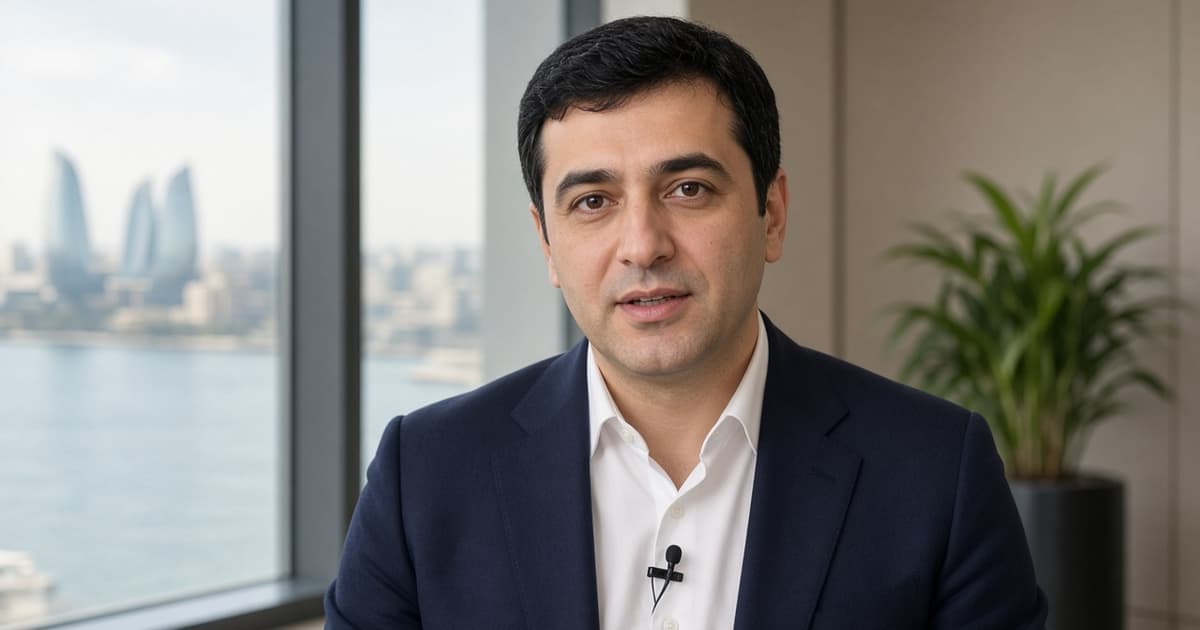
Questions come from the brief, not from memory
A corporate video interview is not a TV talk show. The job is to help a person speak comfortably and give the scripted message in their own words. Media7 pulls questions from the goal, audience and must-have messages in the brief. Short answer: write 8–12 short questions, avoid yes-no prompts, and do not make people memorise a speech. In Baku a director, an HR lead and a specialist do not speak the same way; the question list therefore changes by person.
No brief, no questions
First decide what the film is for: website, investor, hiring, internal training or an event opening. Each goal wants a different answer. Media7 keeps one core message and two support messages in the brief. The question list opens those three lines and does not dump all of them on one speaker. Language, duration and who will appear sit in the same document. Without that, set day starts with “just say something” and the edit is empty.
Question types
Open: what do you do today, who is the team.
Problem: what gap does the customer or market feel.
Solution: what you do, what you do differently.
Proof: a process, a figure only if it is approved, a team habit.
Human: why this work, what you are proud of.
Close: one sentence for the viewer.
Media7 only asks for a figure when the client has approved it in writing. There are no invented statistics and no fake awards. If there is no figure, the question turns to process and responsibility.
Sample question lines
What does your team promise a customer.
Which step in the last project tested you most.
What does a new hire learn in week one.
How do you explain the product or service in one sentence.
What working habit sets you apart in Baku.
What should the viewer do after this film.
These lines are a template, not a copy-paste script. Names, process and off-limits topics change on every project. Media7 also writes the bans: competitor names, internal disputes, legal claims.
How to prepare talent
You may share the questions in advance, not a written answer speech. A memorised corporate video looks untrustworthy. Media7 does a short briefing: where the camera is, who to look at, that a second take is normal. Wardrobe matches the brand; no stray logos. Quiet room, air-con and phone rules sit on the call sheet. If a leader arrives rushed, two warm-up questions are shot first and the core message later.
Frame and sound
The interview frame is stable, at eye level, on a clean background. Media7 plans a second camera or B-roll so the cut can breathe between takes. The microphone accounts for clothing and room noise. Answers stay short; one answer, one idea. Long monologues get cut in the edit, so keeping the question small is kinder. On video production day the interview block gets its own time, not a squeeze into the same minute as B-roll.
How answers work in the script
The edit often cuts the question and keeps the answer. Questions are therefore built so the answer is a full sentence on its own. Media7 notes for the operator: start the answer by restating the question. The same message can later be supported with voice-over and graphics, but the human voice stays primary. With several speakers, each person gets two or three topics; nobody repeats the same text.
Interview brief checklist
Film goal and audience.
Speakers, language, duration.
Must-have message and off-limits topics.
8–12 questions, tailored by person.
Sound room, spare time, B-roll list.
Delivery: master, subtitles, social cut.
Shoot day is not locked until this list is agreed.
How to pick an interview room in Baku
If a quiet office window opens onto a street, a generator or air-con, the microphone will not hide it. Media7 records a ten-second sound test on the scout. If the director’s office is noisy, a nearby meeting room is used and a wall logo is brought in for status. Two speakers on the same background need different shirts and a slightly different angle so the edit does not feel like a loop. If translation is required, the question list is written per language and not mixed in one take. Answers stay short for subtitles so the screen does not fill. These rules save the edit as much as the script itself.
The cut part and the kept part of a question
When the edit drops the question, the viewer only hears the answer. Media7 therefore tells talent: start the sentence with the topic, not with yes. “Our team promises on-time delivery to the customer” can be cut; “yes, that’s right” cannot. A second take of the same idea in a short and a long version also helps a Reels cut. The director allows silence: rushing the next question clips the end of the answer. If eight questions will not fit forty minutes on shoot day, four must-haves are chosen and the rest are spare. That honesty is said to the client on set, not afterwards.
How Media7 starts
Send the goal, speaker names and topics you do not want said. Media7 prepares a question list and a shoot plan, then returns a written proposal. For scope use the price calculator or contact. A corporate interview starts with a good question, not with an expensive camera.